
Simple Ways to Reduce Household Paper Clutter Effectively
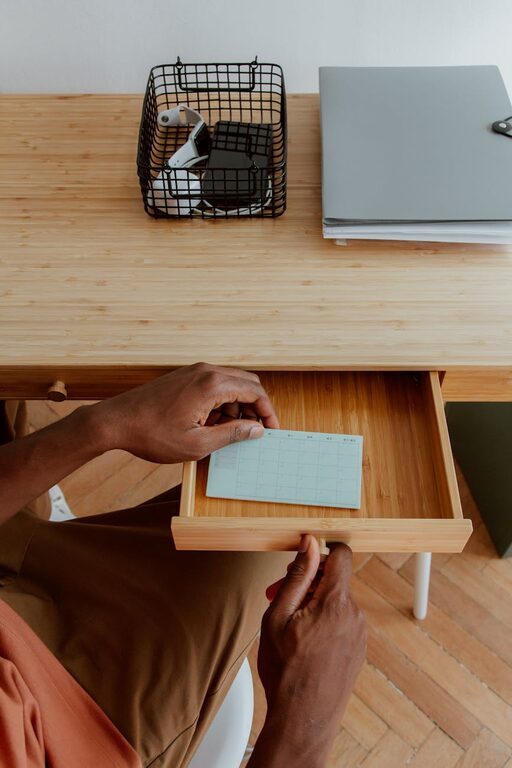
Paper clutter can quickly take over a home, piling up on desks, countertops, and in drawers. From bills and mail to school papers and receipts, managing all this paper can feel overwhelming. Fortunately, with some straightforward strategies, you can reduce household paper clutter and maintain a cleaner, more organized space. This post will share simple, actionable ways to keep paper piles under control without stress.
Why Reducing Paper Clutter Matters
Keeping paper clutter to a minimum has benefits beyond a neater home. It saves time when you can easily find important documents, reduces stress caused by mess, and can even improve your productivity. Plus, cutting down on paper use is good for the environment.
1. Establish a Paper Management Routine
A consistent routine is key to preventing clutter buildup. Here’s how you can start:
– Set a regular sorting schedule. Dedicate 10–15 minutes each day or week to go through incoming papers.
– Create designated locations for sorting, like a tray or basket by the front door.
– Decide on actions immediately: Recycle junk mail, shred sensitive info, file important papers, or respond to urgent items.
2. Go Digital When Possible
Digitizing documents reduces physical clutter significantly.
– Scan important papers: Bills, receipts, warranties, and tax documents can be stored digitally.
– Use cloud storage: Services like Google Drive, Dropbox, or iCloud allow easy access and backup.
– Switch to paperless billing and statements: Many service providers offer email versions instead of mailed copies.
3. Use a Filing System That Works for You
A simple and intuitive filing system makes it easier to organize important paperwork.
– Choose easy-to-label folders: Use categories like “Bills,” “Medical,” “School,” or “Receipts.”
– Keep files accessible: Store files in a visible drawer, binder, or portable file box.
– Purge regularly: Review files every few months and shred or recycle what’s no longer needed.
4. Limit Incoming Paper
Reducing how much paper enters your home helps control clutter at the source.
– Opt out of junk mail: Register on services like DMAchoice to reduce unsolicited mail.
– Unsubscribe from catalogs and newsletters: Contact companies or use opt-out links online.
– Ask for digital receipts: Many stores offer emailed receipts instead of paper ones.
5. Manage Kids’ Paperwork Creatively
Children often bring home papers from school and activities. Here’s how to handle them without clutter:
– Set a display area: Use a bulletin board or wall space to show current artwork or notices temporarily.
– Create an art or memory book: Photograph or keep selected pieces in a binder.
– Recycle or discard regularly: Have your child help decide what to keep and what to recycle.
6. Use Inboxes and Outboxes Strategically
Designate specific containers or trays to handle papers based on their next step:
– Inbox: For all incoming mail or new papers to be reviewed.
– Action box: For paperwork that needs attention like forms or bills to pay.
– File box: For items that should be kept and organized.
– Recycle/shred box: To immediately toss unwanted papers.
7. Practice Paperless Note-taking and Lists
Opt for electronic options to reduce paper use:
– Use note apps or digital planners: Tools like Evernote, OneNote, or phone reminders can replace paper notes.
– Shop with digital lists: Use apps or smartphone reminders instead of paper shopping lists.
– Keep a dry-erase board or chalkboard: For daily reminders at home.
8. Shred Sensitive Information Promptly
To protect privacy and avoid piles of paper laying around:
– Invest in a shredder: Keep it near your paper sorting area.
– Shred immediately: Dispose of documents with personal info like bank statements or medical records as soon as you’re done with them.
9. Avoid Holding on to “Just in Case” Papers
Many times papers are kept out of habit or fear of needing them someday.
– Evaluate the necessity: Ask yourself if the document is truly important.
– Keep only what’s legally or personally required: For example, tax documents or warranties.
– Digitize and recycle the rest: Store scanned copies and get rid of the physical paper.
10. Make Decluttering a Family Activity
Paper clutter often involves the whole household, so inlcude everyone:
– Set clear rules for each member: Define where papers should go and encourage regular tidying.
– Teach children good habits: How to sort and organize their own papers.
– Celebrate progress: Make decluttering fun with small rewards or a relaxed session.
—
Reducing household paper clutter doesn’t need to be complicated. By creating simple systems, going digital where you can, and staying consistent, your home can feel lighter and more peaceful. Try out these tips and find what fits your lifestyle best. With a little effort, you’ll spend less time hunting for papers and more time enjoying your organized space. Happy decluttering!